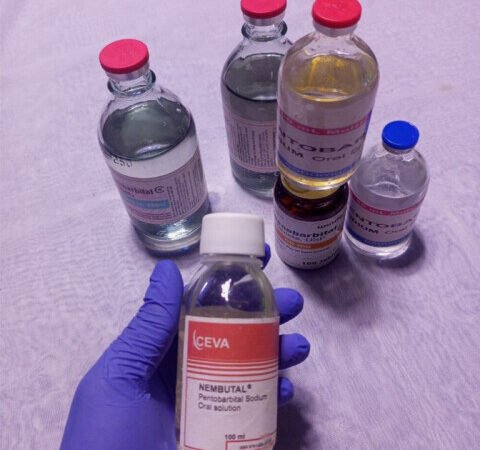
Understanding the relative potency and biological impact of central nervous system (CNS) depressants requires a deep examination of molecular structures, receptor binding dynamics, lipid solubility, and clinical onset times. Across major global medical and research centers—spanning the United States, United Kingdom, Germany, Sweden, New Zealand, Australia, Netherlands, Finland, Belgium, France, and Dubai—the study of barbiturates remains a foundational chapter in classical neuropharmacology. When evaluating What is the most powerful barbiturate, medical scientists evaluate factors such as lipophilicity, receptor activation thresholds, onset rapidity, and therapeutic index.
Barbiturates exert their principal pharmacological action by binding to specific allosteric sites on the gamma-aminobutyric acid type A (GABA-A) receptor complex. This interaction enhances the inhibitory effects of GABA by keeping chloride ion channels open for extended durations. At elevated concentrations, highly potent barbiturates can directly open these channels even in the absence of endogenous GABA, causing profound neuronal hyperpolarization. Among the broad spectrum of barbiturates—ranging from long-acting agents like phenobarbital to short-acting compounds like pentobarbital and ultra-short-acting thiobarbiturates like thiopental sodium—potency varies significantly based on chemical modification.
Because of the extreme central nervous system depression associated with high-potency barbiturates, examining the comparative research surrounding queries like What is the most powerful barbiturate is crucial for clinical pharmacology students, neuroscientists, emergency healthcare providers, and medical researchers.
For scholars, clinicians, and individuals interested in verified educational information on prescription sedatives, controlled pain relief options, and pharmaceutical safety guidelines, educational platforms such as Buy Nembutal Pain Relief Main Page provide structured reference materials. Visitors can explore organizational principles on the Buy Nembutal Pain Relief About Us page, inspect categorized medication offerings in the Buy Nembutal Pain Relief Shop, analyze detailed pharmacological guidance via Buy Nembutal Pain Relief Medication Info, read answers to common questions on the Buy Nembutal Pain Relief FAQ Page, or communicate directly with specialists using the Buy Nembutal Pain Relief Contact Page.
This extensive 2000+ word educational article analyzes the chemical classes of barbiturates, ranks their relative potency based on lipid solubility and onset dynamics, reviews clinical applications, and highlights critical safety considerations.
Chemical Classification and Defining “Potency” in Barbiturates
To accurately answer What is the most powerful barbiturate, one must first clarify how “potency” and “power” are measured in medical pharmacology. In neuropharmacology, potency refers to the concentration or dose of a drug required to produce a specific magnitude of biological effect. With barbiturates, potency is largely governed by three interconnected biochemical variables:
- Lipid Solubility (Lipophilicity): Non-polar molecules cross the blood-brain barrier rapidly. Higher lipid solubility leads to faster central nervous system penetration, resulting in immediate onset and intense central depression.
- Receptor Affinity and Allosteric Efficacy: The strength with which the molecule binds to the GABA-A receptor complex and its ability to directly gate chloride ion flux.
- Duration and Redistribution Rates: Ultra-short-acting derivatives redistribute rapidly from brain tissue into peripheral adipose tissue, terminating their central action quickly while maintaining high immediate potency.
As documented in comprehensive encyclopedic resources on Wikipedia, replacing the oxygen atom at the C2 position of the barbituric acid ring with a sulfur atom creates a thiobarbiturate (such as thiopental or thiamylal). This single substitution dramatically increases lipid solubility compared to standard oxybarbiturates (such as pentobarbital or phenobarbital), creating the most rapidly acting and potent CNS depressants in the class.
Ranking the Classes: From Long-Acting to Ultra-Short-Acting
Barbiturates are traditionally divided into four major pharmacological classes based on their elimination half-lives, onset times, and primary clinical indications.
+-------------------------------------------------------------------------+
|                    BARBITURATE POTENCY SPECTRUM                         |
+-------------------------------------------------------------------------+
| Class                | Onset Time    | Representative Compounds         |
+----------------------+---------------+----------------------------------+
| Ultra-Short-Acting   | 10-30 Seconds | Thiopental, Thiamylal, Methohexital |
| Short-Acting         | 15-30 Minutes | Pentobarbital (Nembutal), Secobarbital|
| Intermediate-Acting  | 30-60 Minutes | Amobarbital, Butabarbital       |
| Long-Acting          | 1-2 Hours     | Phenobarbital, Barbital          |
+-------------------------------------------------------------------------+
1. Ultra-Short-Acting Barbiturates (The Most Potent)
- Thiopental Sodium (Pentothal): Historically considered the benchmark for rapid-onset, high-potency intravenous induction of general anesthesia. It crosses the blood-brain barrier within 10 to 20 seconds, producing loss of consciousness in a single arm-brain circulation time.
- Thiamylal: A thiobarbiturate derivative closely related to thiopental with similar high potency and rapid hypnotic onset.
- Methohexital (Brevital): An oxybarbiturate with an ultra-short duration of action due to rapid hepatic clearance, possessing twice the hypnotic potency per milligram of thiopental.
2. Short-Acting Barbiturates (High Potency and Efficacy)
- Pentobarbital Sodium (Nembutal): One of the most potent short-acting oxybarbiturates. Widely used in emergency medicine for status epilepticus and therapeutic coma induction, as well as veterinary general anesthesia.
- Secobarbital (Seconal): A potent short-acting derivative historically prescribed for severe insomnia and pre-operative anxiety.
3. Intermediate-Acting Barbiturates
- Amobarbital (Amytal) & Butabarbital: Produce moderate duration sedation (6 to 8 hours) with lower lipid solubility than short-acting compounds.
4. Long-Acting Barbiturates
- Phenobarbital (Luminal): Possesses low lipid solubility and slow brain penetration. While highly effective as a broad-spectrum anticonvulsant, it requires larger cumulative doses to produce hypnotic effects compared to short-acting derivatives.
Researchers seeking to evaluate historical barbiturate classes alongside modern analgesics, hypnotics, and central nervous system compounds can browse Buy Nembutal Pain Relief Medication Info for detailed clinical overviews, or review product categories in the Buy Nembutal Pain Relief Shop.
Identifying the Contenders: Thiopental vs. Methohexital vs. Pentobarbital
When determining What is the most powerful barbiturate, three specific compounds stand out based on distinct pharmacological parameters:
                  +-----------------------------------+
                  |   TOP HIGH-POTENCY BARBITURATES   |
                  +-----------------------------------+
                                    |
         +--------------------------+--------------------------+
         |                          |                          |
         v                          v                          v
  THIOPENTAL SODIUM           METHOHEXITAL              PENTOBARBITAL
(Ultra-Short / Sulfur)   (2x Milligram Potency)     (High Direct Efficacy)
Thiopental Sodium: The Benchmark for Immediate Power
Thiopental sodium is widely regarded as the most powerful barbiturate in terms of immediate, rapid-onset central nervous system suppression. Because sulfur increases lipophilicity exponentially, an intravenous bolus of thiopental produces complete brain suppression, loss of corneal reflexes, and surgical anesthesia within seconds.
Methohexital: Highest Milligram-for-Milligram Hypnotic Potency
When measuring potency strictly by dose weight (mg/kg required to induce loss of consciousness), methohexital is approximately 2.5 to 3 times more potent per milligram than thiopental. However, because methohexital is an oxybarbiturate, its immediate tissue redistribution dynamics differ slightly from thiopental.
Pentobarbital: Highest Potency for Sustained Neuroprotection
While short-acting rather than ultra-short-acting, pentobarbital sodium exhibits high direct GABA-A receptor activation capacity. In clinical practice, pentobarbital is considered the most powerful tool for sustained cerebral metabolic suppression, used specifically to induce medical comas in neurointensive care units to manage severe intracranial pressure.
To learn more about therapeutic indications and pharmaceutical classifications, review the background guidance on Buy Nembutal Pain Relief About Us or check customer inquiries on the Buy Nembutal Pain Relief FAQ Page.
Pharmacological Comparison Matrix
The following table compares key pharmacological characteristics of major barbiturate compounds to highlight differences in potency, onset, and duration.
| Barbiturate Compound | Chemical Class | Relative Potency (vs Phenobarbital) | Onset Time | Duration of Effect | Primary Medical Application |
| Thiopental Sodium | Thiobarbiturate | Very High | 10–20 seconds | 5–15 minutes | Anesthesia induction, neuro-coma |
| Methohexital | Oxybarbiturate | Highest per mg | 15–30 seconds | 5–10 minutes | ECT anesthesia, short surgical procedures |
| Pentobarbital | Oxybarbiturate | High | 15–30 minutes (oral) / 1–3 min (IV) | 1–4 hours | Status epilepticus, neurocritical care |
| Secobarbital | Oxybarbiturate | High | 15–30 minutes | 2–4 hours | Short-term refractory insomnia |
| Amobarbital | Oxybarbiturate | Moderate | 30–45 minutes | 6–8 hours | Historical psychiatric sedation |
| Phenobarbital | Oxybarbiturate | Standard Baseline | 60+ minutes | 12–24 hours | Long-term seizure prevention |
Mechanism of Action: Why High Potency Barbiturates Are Dangerous
The same physiological mechanisms that make compounds like thiopental and pentobarbital highly potent also make them exceptionally dangerous when unmonitored.
    [ Barbiturate Binding to GABA-A Receptor Allosteric Site ]
                               |
                               v
            [ Prolonged Chloride Channel Opening ]
                               |
                               v
            [ Inward Chloride Ion Flux & Hyperpolarization ]
                               |
                               v
         [ Suppression of Reticular Activating System ]
                               |
                               v
   [ Sequential Depressment: Sedation -> Coma -> Apnea ]
The Dual Action Mechanism
Unlike benzodiazepines—which only increase the frequency of chloride channel opening and require endogenous GABA to function—high-potency barbiturates exert a dual effect:
- GABA Potentiation: At low-to-moderate doses, they increase the time chloride channels stay open in response to endogenous GABA.
- Direct Receptor Gating: At higher doses, highly potent barbiturates directly open chloride channels without requiring GABA present.
This direct gating action bypasses the body’s natural inhibitory ceiling, leading to progressive central nervous system depression: sedation, hypnosis, anesthesia, coma, and respiratory failure.
For additional information on pharmaceutical safety standards, drug interaction profiles, and clinical guidelines, visit the Buy Nembutal Pain Relief Medication Info section or reach out via Buy Nembutal Pain Relief Contact Page.
Global Educational and Scientific Resource Network
Developing a thorough perspective on pharmacology, clinical medicine, and natural bioactive compounds involves drawing upon diverse scientific platforms. Explore these educational resources for further study:
- Pharmaceutical & Medical Portals: Access structured pharmaceutical data, service overviews, and direct inquiry options via Buy Nembutal Pain Relief Main Page, Buy Nembutal Pain Relief Shop, and Buy Nembutal Pain Relief Contact Page.
- Botanical & Mycology Educational Platforms: Deepen your knowledge of natural bioactive compounds, plant research, and ethnobotany through UK MUSHROOM, UK MUSHROOM UK, Shroom Relief, Iboga Well, and Buy One Up Mushroom Bar.
- Global Scientific Reference & Humanitarian Networks: Review encyclopedic entries on Wikipedia and learn about international philanthropic programs supporting vulnerable populations through World Scientific Impact.
Regulatory Controls and Safety Precautions Across Global Jurisdictions
Because high-potency barbiturates possess a narrow therapeutic index and significant potential for severe central nervous system toxicity, regulatory health authorities across the US, UK, Germany, Sweden, Australia, and Europe place these substances under strict scheduling controls.
International Legal Status
- Controlled Substance Scheduling: Ultra-short and short-acting barbiturates (such as pentobarbital and secobarbital) are typically classified under Schedule II or Schedule III controlled substance frameworks globally.
- Hospital and ICU Monitoring: High-potency intravenous barbiturates are restricted almost exclusively to clinical settings equipped with continuous cardiovascular and mechanical respiratory support.
- Storage and Audit Controls: High-potency barbiturate API powders and injectable vials require secure storage and strict chain-of-custody tracking to prevent diversion.
To review educational guidance on medication safety protocols and regulatory compliance standards, explore the Buy Nembutal Pain Relief FAQ Page or read about service standards on the Buy Nembutal Pain Relief About Us page.
Frequently Asked Questions (FAQ)
What is the most powerful barbiturate by speed of onset?
Thiopental sodium is considered the most powerful barbiturate by speed of onset due to its high lipid solubility as a thiobarbiturate, crossing the blood-brain barrier in 10 to 20 seconds.
Which barbiturate has the highest milligram-for-milligram potency?
Methohexital (Brevital) possesses the highest hypnotic potency on a per-milligram basis, requiring approximately one-third the dosage of thiopental to produce equivalent hypnotic depth.
Where can I access reliable educational information on prescription medications and pain relief categories?
For detailed educational resources, medication profiles, and pharmaceutical overviews, visit the Buy Nembutal Pain Relief Main Page and explore their comprehensive Medication Info and FAQ Page.
Conclusion
Determining What is the most powerful barbiturate depends on the pharmacological criteria applied: thiopental sodium leads in immediate speed of onset and brain penetration due to its thiobarbiturate structure, methohexital holds the highest milligram-for-milligram hypnotic potency, and pentobarbital sodium remains the most potent tool for sustained neurocritical coma induction. Across all healthcare systems in the US, UK, Germany, Europe, and Australia, these high-potency CNS depressants require precise medical oversight due to their narrow therapeutic windows.
For further insights into pharmaceutical research, medication safety guides, and medical resources, visit the Buy Nembutal Pain Relief Main Page or get in touch through their Contact Page.